Characters

17 posts

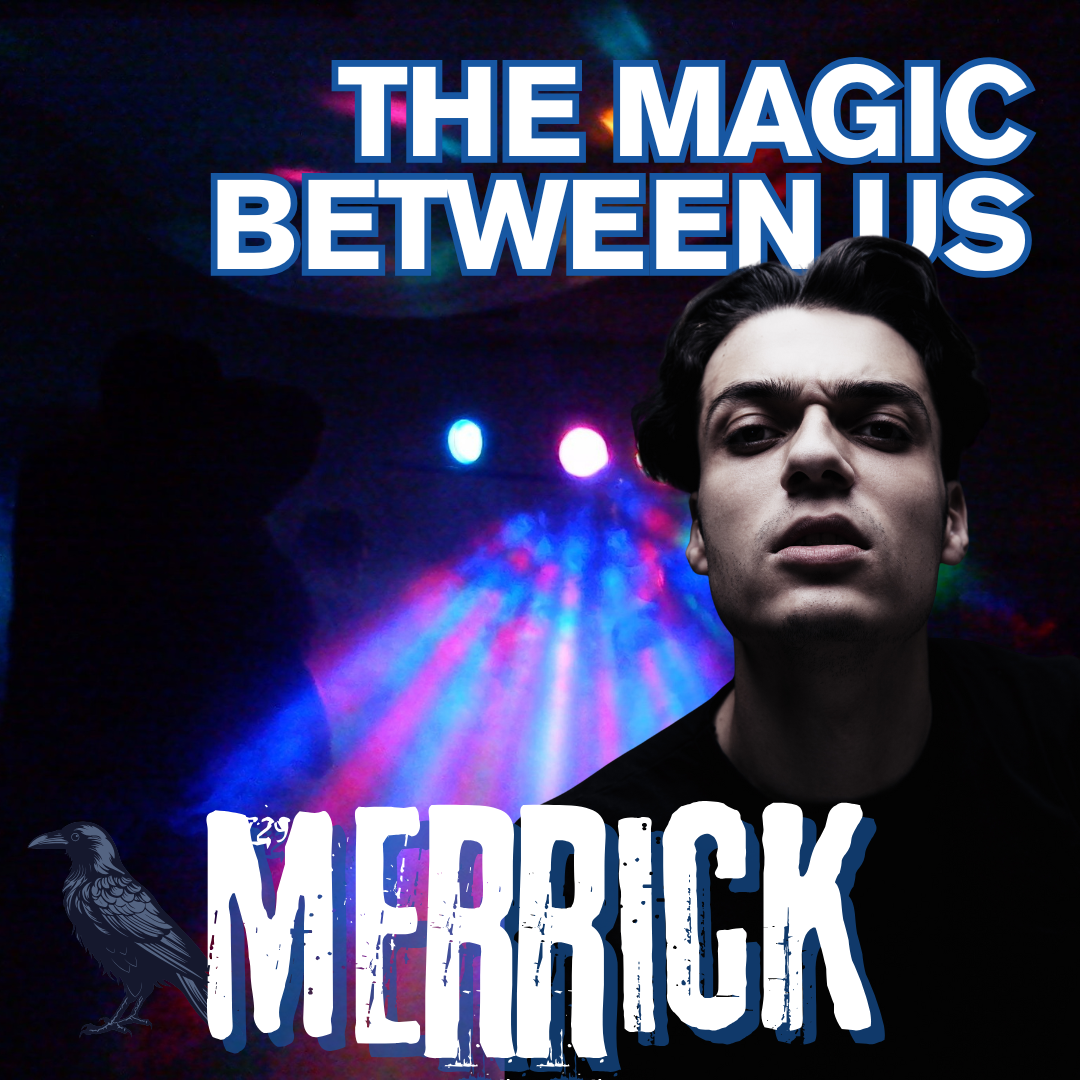
The Magic Between Us: Merrick

This post is part of The Magic Between Us series, an exploration and analysis of characters in the Stories of the Eleriannan series.

The most interesting and confusing question I’ve received about In Sleep You Know is “why did you choose a male lead for this story?” I’m not sure if it’s that people expected me to only write about women, or if it’s a genre assumption that main characters in urban/contemporary fantasy tend to be female, but when have I ever followed convention anyway?

Look, one of my goals is to tell magical stories about the kind of people I know and understand and that the general public might not think of as “magical.” I’ve also said many times that I don’t pick the characters, they choose me. Merrick Moore showed up early on when I was dreaming up the Eleriannan series with a different name and a slightly different trajectory, but he established himself quickly as the kind, sometimes clever/sometimes clueless, going-nowhere musician that we know today. Merrick’s a reluctant hero, which is a trope I find pretty realistic–I mean, it’s one thing to believe in magic happening in front of you when you’re at a party and everyone’s acting weird but they’re beautiful and dazzling and maybe you’re caught up in the moment so you go along with it. It’s another entirely when you’re back at home, hung over and with a new tattoo that you don’t remember getting and then you realize you’ve lost a bunch of days and…well, you start to feel stupid about how it all went down and you bought into it.

Still, there’s a part of you that hopes–and fears–it was all real.

At the character’s core, Merrick’s a confused, easy-going, uninspired guy who never wanted much of anything in life before the moment he crashed a [unbeknownst to him] Fae party. When he’s offered a chance to be more, to do important things, he balks. The only passion he ever had was to be in a band but even that hadn’t gone much of anywhere. That’s why it’s important that his first success after accepting his fate with the Eleriannan is to pull off The Drawback’s first real show–and exercise a little magic while doing so. It wakens possibility in Merrick’s mind, and a new sense of motivation. Suddenly, he sees what magic can do and he’s found a purpose, and that feels good to him. He feels alive for once, instead of just phoning in his life.

Some important background about Merrick comes out in Cast a Shadow of Doubt: although he comes from a more privileged background than some of the other mortal characters, he’s also suffered from neglect. His parents are well-off so Merrick never wanted for material things, like Vali for example, but he was basically ignored, left to his own devices, and never expected to do anything beyond go to college. Money from his parents is how he’s stayed afloat, but they don’t have interest in him beyond that. His bond with Lucee is strong in part because he sees her as his only real family, a sister from different parents. He’s shown to have taken care of her many times, especially when they were growing up and her family tried to control her and shape her into something she didn’t want to be. The contrast between them is stark. Merrick is the privileged guy left to waste his life because no one expected more from him and couldn’t be bothered to put any effort into him; Lucee’s the legacy academic who was continually forced down paths not of her choosing, even though she had all the drive and vision she needed to achieve anything she desired.

Merrick’s friendship with Lucee is crucial to his growth.

She’s the one who pushes him to reconnect with the Eleriannan, and she stands firmly behind him when he becomes the champion of the Fae. She steadfastly believes that he can succeed, seeing his potential and believing in it more than any of his actual family ever did. In return, Merrick has supported Lucee’s dreams to be a musician, giving her space to be herself when her parents would not.

It’s worth noting that almost every person who encourages Merrick to take on this new role is a woman. Aisling, Fallon, Lucee–this trio provides the gateway for Merrick’s change into a responsible person with a mission. And The Ladies are the challenge that proves he’s worthy to take on the mantle; besting them and forcing them to give him their names shows that he has the strength of mind to be a champion. All the keys to Merrick’s success come through these women, and he acknowledges this readily, and does his best to repay their support by doing the same for them.

It’s also important to note that he doesn’t end up being the leader of the Eleriannan–that’s Lucee. He’s a great champion but he never once thinks of becoming more than that, and it’s not because of the lack of drive he once had. It’s because he understands that he’s finally in a place that suits him–and leadership is the role that suits Lucee best.

Some interesting things about Merrick that might get missed by the reader:

  • He didn’t really care about academics but he was a decent scholar and that helps him several times in his dealings with the Eleriannan.
  • Similarly, his politeness gets him through uncomfortable or uncertain situations. He learned early on that much can be excused if it’s done with manners, and uses that to navigate the unclear social mores of the Fae.
  • Despite his easy-going nature and outward appearance of being fine after the big battle for The Maithe, he’s still traumatized by what happened, especially by the fight with Camlin.
  • His connection with Aisling at the beginning of the book is a callback to several versions of the “faerie lover” story, where a mortal [man, usually] falls for a faerie [woman, sometimes a faerie “queen”] and she brings him into her world, revealing magics to him–for a price. In Merrick’s case, that’s joining them for seven years in exchange for Fae gifts.
  • Cullen [who with Aisling is one of the first Fae to befriend Merrick] recognizes Merrick’s potential and in doing so, is slowly awakened to recognize his own ignored potential. Merrick has a track record of inspiring these kinds of revelations in those around him–like what happens when he goes to talk with the Gwyliannan.
  • Merrick’s connection and then love for Aisling breaks a curse and create great changes in her life and status.

I think the most important thing about Merrick is that he’s an example of how any of us, even if we’ve never had a heroic day in our lives, can become someone important and game-changing, if only we find the means to believe that we can. For him, it takes other people seeing in him what he could not, but that magic was always there. He just needed to take a chance and do something outside of the norm in order to discover it.

The Magic Between Us: Vali

This post is part of The Magic Between Us series, an exploration and analysis of characters in the Stories of the Eleriannan series.

Vali Dawe is the kind of person who is easy to befriend and even understand, but knowing her? There are depths to Vali. She’s got a complicated and traumatic past and carries a lot of pain, which she’s worked hard to turn into lessons she can use to help others. If there’s one word I’d use to describe Vali, it’s compassionate. She’s the conscience of the Eleriannan: always looking for the kindest and most helpful options for her Fae family to choose from. Together with Lucee Fearney, who I would call the heart of the Eleriannan, she’s worked hard to create a culture of acceptance, cooperation, and good works using the power of the Fae.

It’s no wonder that the Heart of the City chose her to be their representative. Vali is a living embodiment of what community can and should look like. Because of her past, she’s uniquely positioned in the Eleriannan to relate to injustice and need in Baltimore from a place of deep empathy and understanding.

Vali grew up in the foster system, and her experience of it was either benign neglect or active abuse. She acknowledges that not everyone has a bad fostering experience, but hers reflected some of the worse outcomes and that she was viewed as an inconvenience at best and a punching bag and cheap labor at worst. Her mother abandoned her and her father is unknown to her, which is probably where her Fae blood comes from, but that’s unverified. She was completely unaware of her powers before she met Sousa, thinking that she was just extraordinarily lucky at not being seen when she didn’t want to be. Little did she know!

After foster care Vali lost any of the support systems she’d been able to access, and found herself unhoused and on her own. That’s when she built up her street connections, befriending other homeless folk and learning their stories. Some of them gave her tips for staying safe and finding suitable places to camp, as well as ways to make her life run more smoothly. That’s what led her to return that assistance once she had some security, like setting up the ability for her pal Jimmy to have an address where he could receive his disability checks.

When I started writing about Vali’s life, this wasn’t something I just pulled out of thin air because I wanted a character with this background, though she does add a grounding element to all the magic happening in the story. Vali’s experiences are rooted in some of my own; I’ve been unhoused several times in my life, with various different experiences of being houseless to draw from. I’ve slept on the street, and I’ve bounced from couch to couch, and even camped in my office. All of those were different aspects of the same thing, with shared and differing challenges and advantages. They all share the same feelings, though: worrying about being a burden, shame, anxiety, frustration, hopelessness. Like Vali, I worked hard to not let them take over my usually sunny personality, believing that this too shall pass and at least I could try to make things as positive as I could.

It was important to me to humanize and present a relatable face to being unhoused, and Vali gives voice to many of the things she learned in her time of being homeless, including relating to others in the community of unhoused folk. She’s often pointing out why things don’t work the way that the general public assumes–like assistance programs or even why people end up unhoused–and how meaningful changes won’t happen until those in charge actually work with that population, not just for them.

Vali’s also the advocate for taking action over just talking about how to fix problems, and is often volunteering on neighborhood clean up crews, waterway trash removal parties, and free feeding events like Food Not Bombs. She’s managed to rope some of the other Eleriannan into helping, too, with Sousa being one of the most enthusiastic participants. She can be counted on to have a nuanced take on most any community-action-oriented project, offering balanced praise and criticism as warranted.

Her most valuable skill at The Maithe isn’t her ability to work graffiti magic, although she’s used it plenty of times to help. [See: the locking tags for the front door and on the Gates, Camlin’s “tattoos”] It’s the way she sees through to the root of a situation, and how readily she gives people the space to make the right decisions. Even when Camlin, the man who had tried to seize The Maithe from Sousa, had held her hostage, and who almost killed Merrick showed up at her door, she didn’t immediately turn him away. She didn’t react from her emotions. She took a moment to assess the situation and then acted in the way that made the most sense, even while knowing others wouldn’t agree. She also insisted that Sousa re-examine his feelings about Camlin and how he wanted to proceed, knowing that doing so risked hurting her own relationship with Souz. Her calm advocacy for being kind and doing what needs to be done to help in times of crisis, aside from any personal feelings, is a hallmark of who she is as a person.

Having gone through terrible, challenging times doesn’t have to harden a person. That’s what Vali represents. She’s used her trials to motivate her, to make sure that she does the best she can to help others who have been put into impossible situations in whatever way is best for them and is of their choosing.

In this current time, when the US is moving to once again criminalize homelessness as part of our descent into a fascistic hellscape, it’s important to do our best to speak up and show up for those who will be affected by this shift. Most people are one paycheck away from becoming unhoused. ONE. Even if you don’t think this could ever be you [it could! it was me!] Vali would tell you that how we treat those with less than us reflects on all of us. Also: it takes nothing to be kind.

Links you may find helpful:

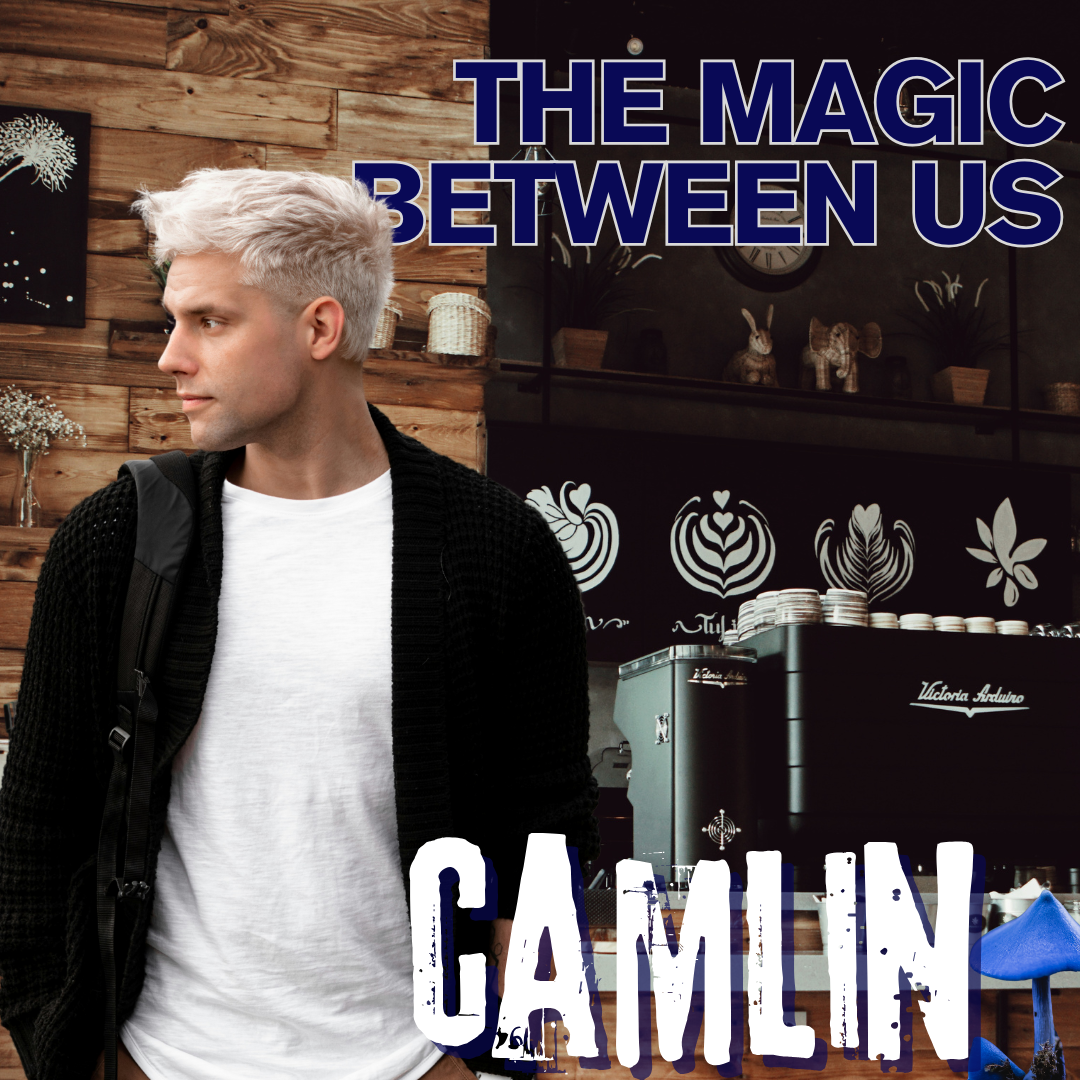
The Magic Between Us: Camlin

This post is part of The Magic Between Us series, an exploration and analysis of characters in the Stories of the Eleriannan series.

When we first meet Camlin Grimshaw, he is revealed as the villain of In Sleep You Know, the shadowy leader of an aggressive faction of Fae that have named themselves after him. He and his followers have a deep, burning anger that comes from many years of isolation and being othered, both from the mortal world and their own, and that manifests as hatred of the Fae social classes and mortals in general. If they can’t belong, then they’ll seize or destroy the systems that keep them out. 

In the course of ISYK we learn that Camlin is skilled at manipulation, and when that doesn’t work, he compels using his mind. He secretly uses members of the Gwyliannan faction as spies and for some of his dirty work, and isn’t above being cruel to those he uses, because in his eyes they’re part of the system he despises. Genaine in particular suffers at his hands, and it’s implied that he draws her into a relationship with and uses that as a way to further twist her to his will. 

Camlin is cocky, self-assured, and willing to do anything to achieve his goal of gaining control of The Maithe—or is he? We see several times where his confidence has cracks, and his fear and uncertainty peek through. It’s not until Cast a Shadow of Doubt do we explore this, and his motivations for how he acted, in any detail; in ISYK he’s a bit more mysterious and very unlikeable. He would say that he’s used to playing that role, but the truth is, as always, much more complex.

In CASOD, he first appears at the front door of The Maithe, holding an unconscious mortal, Emmaline, in his arms. He begs the Eleriannan to help her, at whatever cost to him it might incur. This is our first inkling that something has changed for Camlin Grimshaw, though not the extent of it. 

Why am I recapping all of this, with potential spoilers? Because to understand what made Camlin who he is, it’s important that we look at his terrible choices and actions before he started down a path to redemption. 

Vali says that she believes no one is beyond redemption, which is why she gives Camlin a chance by letting him in the door—even if she doesn’t consciously understand that as the reason at first—and this is his second advocate on the road to turning his life around. The first is Emmaline, who gives him space to be flawed and messy without judgement, which in turn encourages him to care about nurturing over destruction. Until that point in his life, he’d suffered through being feared and reviled by mortals for what he was, a magical anomaly that lacked control over his powers. He was rejected by his Fae father as well, who neglected to teach him how to use his magic properly or even how to blend in for safety, and who eventually left Camlin and his mother to fend for themselves. This was the catalyst of his hatred for mortals and the so-called Gentry; though he still wasn’t quite comfortable with the “lower class” Fae, they didn’t judge him for being a half-blood like the Gentry did. 

Neither Vali nor Emmaline excuse Camlin for what he’s done. Vali was there and suffered at his hands. She watched her friends suffer as well, unable to aid them. But she’s seen people do terrible things, often when they felt like they had no other choice or when they’d fallen so far that they no longer cared. She tries to meet people where they are, leaving them room to grow and explore the possibility of change. That confuses Camlin at first, because he knows that she has no reason to forgive him. None of the folks that he waged war against do. Being able to accept that he deserves whatever punishment he receives when he offers himself in exchange for helping Emmaline is all Vali needs to hear to give him leeway. In turn, she works to convince the others that they too should consider allowing him a chance to atone for his transgressions. 

But it’s Emmaline’s unblinking acceptance of him, terrible faults and all, that sets him on the road to change. When he first encounters her, he’s still leaning on his arrogant persona for an illusion of strength, despite being laid low in the aftermath of ISYK. She sees right through it, same as she sees him while everyone else in the coffee shop does not, and she interacts with him fearlessly—something he had not experienced in a long time. As two people who were living on the fringes of the world, even though for different reasons, they clicked right away. 

And when Emmaline scoffed at the idea of trusting people who claimed not to lie, saying that the ones who protested loudest were usually the least truthful, Camlin was desperate enough to keep his connection with her that he acted rashly. He swore to always speak the truth to her. What I don’t say directly in CASOD [though there’s some implication of it] is that this is the first time he’s ever allowed himself to be vulnerable for someone else. It’s a rash but heartfelt decision, and it’s the first step to redemption for Camlin. 

He’s given her a way to have some power over him, in a way that levels the field at least a little. For once, he’s more interested in someone else’s comfort and safety than his own. 

After the couple come to The Maithe, Camlin begins to share with others the past that damaged him and led him to the terrible choices that he made. And then he reveals his worst secret: in his anger and hatred and despair, he allowed a mysterious entity that whispered half-truths and offered seductive powers under the guise of achieving similar goals to have control over him. In turn, it used him to control the faction he’d gathered. The abuse pattern he’d been a part of was cyclical, and he was both the victim and the abuser, as all too often happens. 

The difference for him being that he’s ready to risk himself to set things right, if he can. He makes this choice knowing that he could lose everything, including his life, or possibly worse, his ability to fight the mycelial Mealladhan and regain his free will. Still, he chooses to try. In the process he puts himself completely at the mercy of those he hurt in the past, trusting them to make decisions that could save him or doom at the end of his task. Even when the Mealladhan once again takes control of him, he does his best to protect and warn the people he cares about.

One of the lessons that he learns in all of this that I think sometimes gets overlooked is that he must trust and work with other people in order to have any hope of this plan succeeding. Every bad thing that happens in Camlin’s life is because of being alone, by choice or not. When he begins to lean on others, he grows exponentially. 

Camlin is a character I enjoy exploring, because he’s very much not perfect; he’s quite aware of how flawed he is but is willing to do whatever he can to make amends and work toward becoming a better person. Some villains are unredeemable, and there are things one can never come back from. Camlin himself understands that he can never undo what’s been done, and he doesn’t expect to be forgiven. Instead he chooses to make the best of his second chance at life by doing what he can to keep the Mealladhan from regaining power, no matter the cost to himself. That’s fucking brave, and maybe not everyone will agree that it’s enough to be redeemed—Camlin might be on your side there—but I think Vali, the conscience of the Eleriannan, would argue that he deserves some happiness.

A pale woman with thick, curly reddish brown hair and a dark jacket stands against a backdrop of leaves and trees. The Text reads: The Magic Between Us: Emmaline. Next to the text is a blue morning glory flower.

The Magic Between Us: Emmaline

This post is part of The Magic Between Us series, an exploration and analysis of characters in the Stories of the Eleriannan series.

Emmaline Waters is one of the characters we’re introduced to in Cast a Shadow of Doubt, and she’ll also be the main focal character in my upcoming, as-yet-unnamed Eleriannan novel. When we meet Emmaline, she is a talented writer for a local magazine, but she’s isolated from much of the world because she’s chronically ill, with an unidentified disease. [I vaguely imply that it’s a form of IBD but it’s never spelled out in the text.] She manages to leave her house regularly by spending time each day in a nearby cafe where she can comfortably observe people and write about them, but she still deeply feels the othering effects of her disease. I left the specifics of her diagnosis ambiguous so that all the chronically ill folk out there have the possibility to feel seen—but her experiences are definitely based on my own. 

She is a strong person who struggles with the limitations that chronic illness places on her. Being forced to contemplate her own mortality, she’s got an accepting, open personality and that allows her to get close to Camlin, who is otherwise isolated, angry, and defensive. In turn, Camlin learns to be open to caring about someone—especially a mortal—outside of himself. Early on in their friendship, he tries to baby her with a clumsy attempt to take care of her needs without asking her directly what would be best. She firmly shuts him down, bruising his ego, because she knows that if she doesn’t nip that kind of uninformed attempt to be “helpful” in the bud, it would become a big problem. Not only would it foster an imbalance of power between them, if she allowed it to persist it would eventually frustrate her to the point that she would lose the relationship. At first Camlin is insulted, but he learns from the incident and it deepens their relationship along with his respect for her. Her openness and determination to maintain boundaries helps Camlin begin his path to redemption. 

When her illness takes a turn for the worse, Camlin knows he’s risking everything by taking her to The Maithe to beg them for help. If you asked him if he was afraid that they’d take his life, he’d shrug that off. He already assumes that might be the price for saving Emmaline. What he feared more was losing his relationship with her by interfering. But he does it anyway, because she needs someone at that point to fight and advocate for her. This action and its potential consequences are what start the whole plot of Cast a Shadow of Doubt.

But even more importantly than Emmaline’s illness and Camlin’s sacrifice to win her a cure being an inciting incident, I gave her a magical “cure” because WE FUCKING DESERVE ONE. It’s rare for folks with chronic illness to get anything resembling a cure in real life, despite all those happy people dancing around in pharmaceutical commercials. Sometimes the illness goes into remission, but at this time most of the major chronic illnesses don’t have a cure. Crohn’s and UC sure as hell don’t.

She’s not *fully* cured, I should add. She still gets tired, and can be frail at times. She can do extraordinary things that require strength, but she often pays for it. But she’s my character that holds out hope for those of us who have very little when it comes to getting a cure. 

She also represents people like me who were poor and didn’t get the care they needed, and when they finally did, were told there wasn’t much to be done. It almost kills her. If you know anything about me, you’ll recognize that story. Money always talks and that’s true in the medical industry as much as anywhere. Those in higher tax brackets often get better, more complete treatment and monitoring, and sometimes quicker diagnoses. Poor folks are more likely to be dismissed, ignored, or given up on when the easiest answer turns out to be wrong. 

I believe in representation in fiction. 

Representation of health challenges and chronic illnesses is complex. It includes people who are living with their medical issues, disabilities, mental illnesses and more, and those people can be angry, content, resigned, proud, or any combination of those and more feelings that I haven’t mentioned. They may be struggling or fully adapted. All these situations deserve to be represented. I want to see the reality of living with mental illness, or using adaptive aids, or trying to thrive with chronic illness. Emmaline gets a “cure” for us but as I said above, it’s not actually a cure so much as it is a reprieve from death and an improvement on her health situation. She still has struggles and limitations, but she’s not using all her strength just to drag herself through her days anymore. She can put that energy to use in other, magical ways. 

For Emmaline, she now has the space to discover who she is now that she’s not spending all her time just trying to drag herself through her day with as little pain as possible. That’s the true gift that the Fae gave her. And it’s also the reason why she has the magical ability to control plants: she’s able to nurture these small beings in ways that she was unable to do for herself, empowering them to grow strong and thrive. In return, they assist her when she needs it. She’s also an advocate for ill-regarded plants, ones that mortals look at with disdain or annoyance, if they pay attention to them at all. Her first plant connection is with a morning glory vine, a plant often looked at as a nuisance weed. She sees the inherent value in it just for being what it is, and in return it bonds with her. Emmaline never judges. That’s just who she is. 

In the upcoming book you’ll learn more about Emmaline and join her in the journey to discover who she will be as she walks a new path from being defined by her chronic illness whether she wants it or not to learning how to step into her mantle of power.

I, for one, can’t wait to see which direction these changes take her.

The Magic Between Us – An Exploration

It’s been a while since I talked about my characters, right? I’ve been focusing on writing, and talking about writing/being an author, but there’s always a part of my mind that’s doing deep delves into what makes up my characters and how they reflect the larger world around me. So I decided that June might be a good time to share some of those explorations with you, dear readers.

If there’s one thing that y’all ask me about the most, it’s in-depth questions about the people who inhabit my Fae-infused version of Baltimore. So this month, let’s chat about what makes up each character, why they do what they do, and what they represent. People in this instance may be taken very loosely, as I’m pretty sure The Maithe [and in comparison, the other Houses] may show up in one of these chats.

I’ve got some other answers that will be tucked inside these essays, too, things that have been asked of me before and I’ve had a lot of time–and three books–to think deeply about. Questions like “Why did you choose Merrick to be the main character of In Sleep You Know” and “What will happen to The Ladies” and “Why did the Nyxen pick Denny to befriend anyway?” There’s also always the question, “Did you base X character on someone you know?” I’ve talked about that one before but the truth is always more complicated than you’d guess.

We’ll get started on June 1st! I am very much looking forward to chatting at length about character creation and the complex lives of these imaginary [maybe?] people.

Representation isn’t a bunch of boxes to check

When people ask me about my books and characters, they* sometimes talk about representation. “Why did you choose Merrick [my first book’s MC] to be a white guy from an obviously well-off family, but Lucee [second book’s MC] is a Black woman? You’re not either of these things.”
[*this is usually other white people asking me this, right]

Well, yeah. I don’t have to be represented by any of my characters in order to write about them and their lived experiences.

Being a writer requires a lot of skills. Some of the most important, in my opinion, have to do with empathy and understanding how people and society works. You can have an amazingly tight and engaging plot, but if you don’t write your characters well, the story will fall flat.

No one would blink if I wrote all my protagonists as white straight women. Even if they were substantially younger or older than me, more or less attractive, smarter or duller, or came from a very different socio-economic background – people wouldn’t comment or question it.

But the thing is, the world doesn’t just look like me. [despite some people constantly defaulting to white as the standard]

Representation isn’t a bunch of boxes to check off. Diversity isn’t something you add because you’re “supposed to.” It should be the standard, because that’s what the world looks like – especially if you’re someone who looks like me, a “standard” that came from an unbalanced worldview built on privilege and racism. The default isn’t white. Nor is it able-bodied, neurotypical, cisgendered, or heterosexual.

My characters, magical or not, represent the reality around them: people from different backgrounds, economic statuses, communities, and cultures, all living their everyday lives. Entangled, at odds or in love, working together or on opposite sides, Fae or mortal or something else – they all have a place in my stories, just as they do in the world outside of them.

What kind of writer would I be if I only focused on characters that looked like me, or had my lived experiences? Not a very interesting or realistic one, in my opinion.

Merrick is a white guy from an upper middle class family, smart enough but a bit spoiled, and able to live a directionless life because of that. It shapes why he makes the decisions that he does when he’s given the choice to be a part of something bigger, and gives us the opportunity to see him grow as a person.
Lucee is a Black woman who has leaned on her friendship with Merrick in the past as a kind of buffer between her overly controlling father and her own wishes for her life. She comes into her own power and ends up taking on a leadership role despite believing that she’s not good enough to do so. Her battle to overcome her low self-esteem is one I think a lot of people can relate to.
Denny struggles with deep self-worth issues and feeling comfortable in their own skin as a non-binary person. Because of this, they’ve allowed themself to be controlled by someone who wants to use them for their own benefit, and a good deal of their struggle is learning how to break free from that situation and mindset.

I think all these characters are relatable and bring different things to the table. That’s not even touching on Vali, who went through the foster system and was unhoused before coming to The Maithe, or Emmaline, a disabled woman with a debilitating chronic illness, or Aisling and Camlin, both Fae who faced rejection by their people for not being “pure” enough. Or Peri, who only wants to be valued for who she is, not what her powers can do for others.

I’ve known all these people. I want their stories in my world to be amplified. That’s why I write what I do.

[images are from Picrew and just for fun visualizations of the various characters]

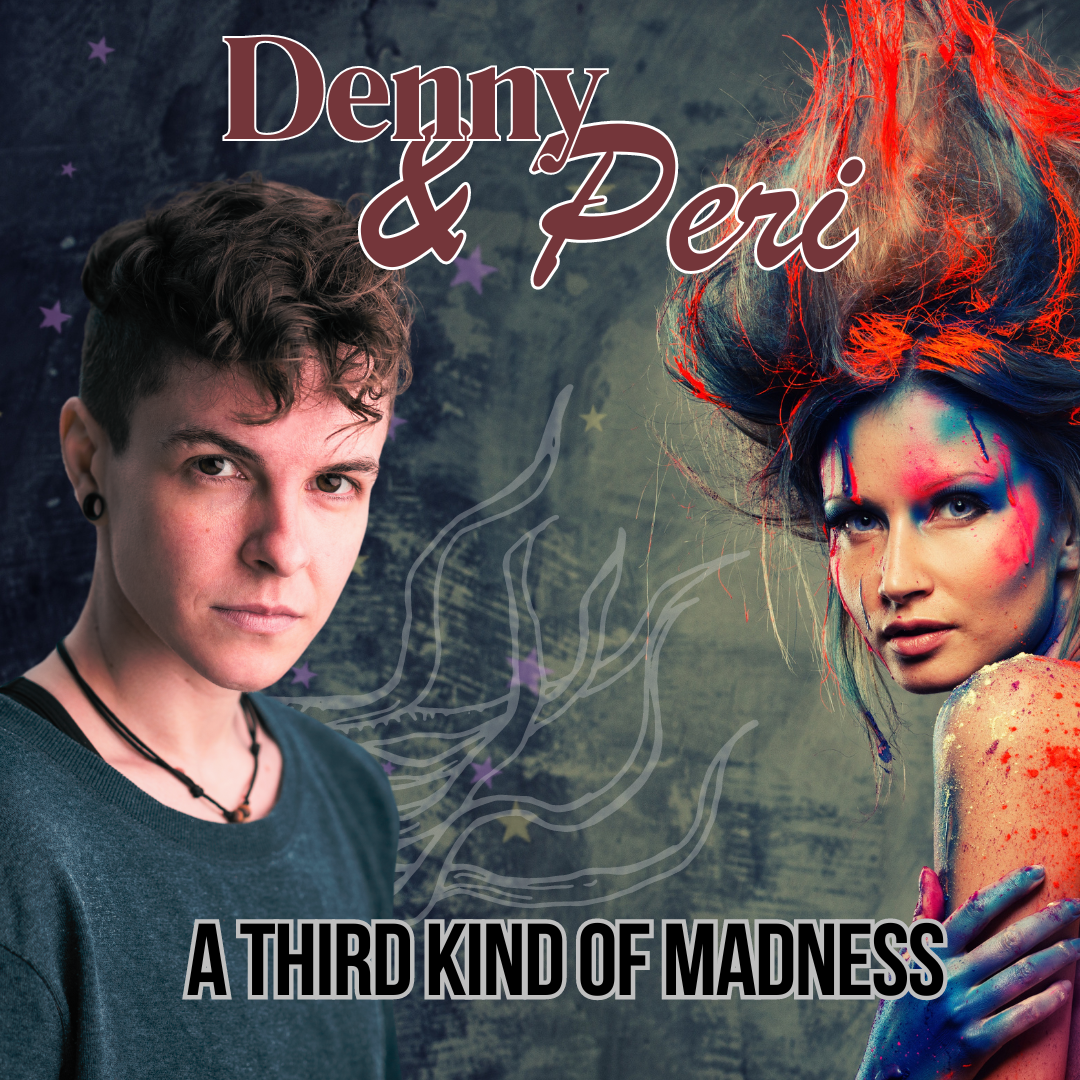
Meet the Characters: Denny and Peri

With A Third Kind of Madness due to be released on May 1st 2024, I thought it was high time to bring back the Meet The Characters series and introduce you to some of the new folk you’ll be getting to know in this story!

Denny is our main character and narrator: shy, unsure, talented but with self-esteem so low that they allow themselves to be bullied and used by the leader of their art collective in ways that keeps their personality and photography career in check. Denny describes themself as awkward and uncomfortable with who they are, and at the beginning of the story this is quite evident. With sandy, tousled hair, freckles, and a boyish, rumpled appearance, Denny tends to fade to the back and hide behind their ever-present camera.

Denny is a wistful character when we meet them. They are non-binary and desire to be seen as androgynous, but tend to wear clothes that allow them to blend into the background, something they are very good at. They hate where their life is going but seem unable to take steps to make changes or break away from the art collective they belong to and is holding them back. The only things they feel really strongly about are their photography, and going regularly to the local coffee shop, where their secret crush is a regular.

That crush is Peri, who is beautiful and bubbly in a way that fascinates Denny to the point that they’re almost obsessed with seeing her daily. Denny observes that Peri is thoughtful and coquettish in turn, but never expects to catch her attention.

Which is why they are shocked when Peri introduces herself one day, compliments Denny’s work, then asks them out on a date.

Peri establishes quickly that she moves in the art world and knows many artists, attending their shows and even owning some of their art. She’s pretty in a feminine and flirty way, often wearing dresses or blouses that show off a little of her skin. One of Peri’s biggest complaints is that she’s often forced to fill a manic pixie dream girl role in her relationships – people want her for what she can do for them, rather than what they can bring to each other.

This becomes a real issue later in the story…

That warmth takes over my entire body as I hurriedly flip to the next shot. I must have clicked too many times because I find myself staring at the moment that Peri and I kissed, captured forever in an awkward angle that only seems to add to the charm of the photo. It’s obvious that it was taken like a selfie, but somehow, that doesn’t make the shot look amateurish. I guess that owes a lot to—once again—the crispness of focus in the photo. Printed out at the right size, it would look like you could reach into it and pull us out fully formed.
“This is exactly as I see you,” Peri murmurs.
I realize that we’re holding hands, and I have no idea when that happened. She’s leaning against me, and I suddenly feel lightheaded.
She’s right, though. I look in the image just like how I see myself in my head, how I want others to see me: a pretty femme boy, a handsome boyish girl, an androgyne so comfortable in their skin that they don’t care about what anyone else thinks. I just am, in that moment. And that comfort, which is something quite new to me—that was Peri’s doing. From the second Peri first spoke to me, she made it quite clear that she not only accepted who I am but also liked it. She liked me.

In the photo, all her attention is focused on me, not just her lips pressed to mine, but her hand on my face, her body turned in that cramped space to face me fully. Yet again, the sparkling energy is visible, but this time it seems to surround both of us and if I look at the image in the right way, I’d swear it was originating from the point where we were touching. I look at Peri, and I know my eyes must be filled with questions because she nods solemnly.

Meet the rest of the characters in this ongoing series, then order the books now!

Text: Good vs. Evil? Nah. Background is a hooded and shadowed man against a grey wall.

Good vs. Evil? Nah.

My stories aren’t for everyone.

Some people want it dark, and my books are not that. They have dark moments, and people who do bad things, but the overall atmosphere is hopeful, built on the idea that we are strongest when we work together.

I don’t write the kind of fantasy that has obviously evil villains. I don’t believe that there’s that many purely evil people out there, so what are the chances that our everyday fae-befriending main characters would be running into Big Evil?

Even the Camlin, the Big Bad from In Sleep You Know turns out later to have a much more complex history than “I hate everything and especially you.” [You’ll have to read Cast a Shadow of Doubt to see how that goes!] The Arswyd and the other Grimshaw, too – they have their own motivations for why they act like they do.

Rather than focusing on evil as a motivator for a storyline, I’d rather explore the traumas and misunderstandings that lead people to the choices they’ve made. I talk about broken and dysfunctional families, social pressure, being without a house or a community, feeling inadequate and powerless – and how all these things shape how we move in the world. The magic parts of my stories are more than just the powers that the Fae bring. They’re all entwined in the decisions that the characters make.

You might ask, then why even have magic in these books? Why are they fantasy and not just books with “regular” characters? What a great question!

Having magical characters serves a couple of functions.

It demonstrates possibility. The magic is a way to shine a light in the darkest times, a beacon for what good can exist even in the midst of struggle.

It offers balance and perspective. Even the mightiest of the Fae struggle with everyday issues, ones that magic can’t solve, like relationships. And when the mortals get magic, it doesn’t change their flaws either. Merrick and Lucee both still have to learn how to believe in themselves and what they are capable of, with or without the use of magic.

Creepy pale woman in a black dress stares down the camera

And honestly, one of my favorite things about my characters is watching them learn how alike they all are, Fae or mortal, despite their obvious differences. The creepy, uncanny Ladies have internal power struggles. The Ffyn are happy-go-lucky dancing trees until it’s time to defend their friends. Merrick leans on his companions whenever he’s unsure what he should do, and that includes the Fae once he’s decided that he’s with them.

As the stories progress, the characters begin to work through their assumptions and prejudices as they discover their commonality. And I’d argue that’s another kind of magic.

Every protagonist needs a foil, but that doesn’t mean that we need to always have the divisions be starkly divided. And don’t get me wrong – there’s nothing wrong with cartoonish villains or implacably evil characters or whatever other types of villains you enjoy reading or writing! They’re just not what I write, and they’re not the kind of fantasy novels I’m interested in bringing into the world.

I crave hopeful stories with plots that address issues I see in this world, and that’s what I write. Which is why I can confidently say that my books aren’t for everyone, and that’s okay – but I think you might be surprised how much you can relate to what happens in the Baltimore of the Eleriannan.

These people? Oh, they’re all me.

People tell you to write what you know. It’s one of the most common pieces of advice to aspiring writers.

And it works: when you put down words that are based in your lived experience, they ring true. They are solid, trustworthy, something understandable by most readers. It’s why autobiographical books from famous people often do well. Readers want to feel what it was like to live that life, be involved in those moments, understand the parts of the story that weren’t shared with the general public at the time. Maybe it’s a voyeuristic compulsion, I don’t know. Maybe it’s just curiosity.

As a writer who skews towards fiction — fantasy fiction, at that — it’s on me to create characters that are interesting, realistic, and relatable. I also have to build plots that are compelling and full of depth and good storytelling, and that includes plotlines and devices that readers can get behind and believe in, even in that fantasy world.

That’s where my experiences, quirks, obsessions, and history come into play. As a writer, I take bits and pieces of what I’ve lived and observed, who I am and have been, and people I’ve known or encountered, and I turn all of that into parts of my stories. I’ve had friends ask me things like “So… Sousa. He’s based on ______, right?” or “Club Marcada is totally _____! I recognized it right away!” I’ve had other people tell me that different characters or scenes remind them of people or places that I don’t know, but they feel familiar and comfortable to them.

What’s funny about that, and also awesome? That readers can see bits of their lives in these books, in these stories that came wholly out of my head. And yet the people and places are all also influenced by people and places that I’ve known and experienced, as well as bits from me directly. It feely surprisingly universal in some aspects.

Photo by Gift Habeshaw on Unsplash

Because people ask, I’ll tell you a few “secrets” about the characters and some details in my books that come directly from me or my life.
I write about music and musicians convincingly because I am a musician and DJ. I spent time performing as well as running a club night with live music, so all the details are quite familiar to me.
Lucee’s impostor syndrome is 100% reflective of my own. The frustration that Cullen feels watching Lucee struggle with this is also drawn directly from my own experience.
Club Marcada is based on a real club that I used to patronize and DJ in as well. Some details have been changed but the feel is 100% accurate and represents my love for tiny bars/clubs that are keeping the independent music scene alive.
Descriptions of Emmaline’s illness come from my own experiences, especially the crushing fatigue she deals with.
Sousa’s and Sheridan’s characters both have some aspects from people I have known, and yes they were that funny and drunkenly ridiculous at times. The parties at House Mirabilis are also based on real parties I’ve attended. Yes, Fae weirdness included.

Most importantly, though — all the characters, every single one, has bits of me in them. Vali’s undying optimism, Merrick’s adaptability, Morgance’s fierceness, Cullen’s vulnerableness… I even gave part of me to Camlin, though I’m not giving that away here either. You’ll have to find me at event and ask me about that, I guess!

So yes, write what you know. Don’t be afraid to put you and your knowledge all throughout your stories. People will feel it, and will connect with it. I promise.

Ask the Cast: Vali and Sousa

Last time I posted, I mentioned that I would be featuring the characters of In Sleep You Know and Cast a Shadow of Doubt as they answer questions from me and reader-posed questions as well. Today, we have the first segment, featuring an interview by me with Vali and Sousa!

Please read on to hear about what’s been keeping this duo busy, some organizations that they support, and what you can expect to see in the future from them and the Baltimore Fae!


Today I’ve got Sousa and Vali for some questions and answers!

Me: You have both been busy lately! Want to tell the readers about some of your current projects?

Vali: My two pet projects right now are working on organizing garbage pick-up groups around the Jones Falls and doing some volunteering at the community garden and the free farm. Later this year I want to work on making some safer spaces for unhoused folks in Baltimore, especially women, so that they can camp or gather without repercussions.
Oh, and I’ve just about got Souz talked into letting me throw up a BIG piece on the side of The Maithe.

Me: Oh! Mural sized! What’s the art going to be like? Anything you can share?

Vali: Well… that’ll depend on what I can convince Sousa to let me do. Right, Souz?

Sousa: No pressure or anything, damn. [laughs]

Me: What about you, Sousa? What have you been into lately?

Sousa: Besides helping Vali over at the Jones Falls clean-up sites, I’ve been doing a lot of renovation work on the new building in Woodberry. It’s barely inhabitable right now, not that it’s stopping those folks from staying there. At least some Fae aren’t too choosy, unlike some of the people in this house… anyway. So anything I can do to hurry the process, that’s what I do. And somehow I tried Sheridan into teaching me some of his beer-brewing secrets, which means I’ve gotta test the fruits of our labor, you know…

Me: Of course, of course. You can’t share it until you know it’s worthy.
You are going to share, right?
[everyone laughs]
So you’re both doing lots to give back to the local community. For those who would like to contribute but aren’t local or who don’t have the ability to get hands on, what organizations would you recommend supporting?

Vali: What a great question! Here in Baltimore, I can tell you a few places that do great work. If you’re interested in water conservation, there’s the Chesapeake Bay Foundation [https://www.cbf.org/] which works to save the bay through education, advocacy, litigation, and restoration. You could also donate to Mr. Trash Wheel and the Trash Wheel family [https://www.mrtrashwheel.com/] — they are the trash eating heroes of our waterfront! Mr. Trash Wheel lives at the point where the Jones Falls empties into the harbor, and he catches so much trash before it gets into open water.
Sousa: If you want to help people directly, one of my favorite groups is Food Not Bombs, which has operations everywhere and strives to feed people who need it. [https://foodnotbombs.net/new_site/] The local chapter is connected with Baltimore Free Farm [https://www.baltimorefreefarm.org/] which does so much to feed hungry people and build community with their food rescue work! They also have a community garden and an event space.
In your area, I suggest looking up “free farms near me” and see what comes up. If not, food banks always need time, money, and donations and will welcome your help!

Me: Wow, I appreciate these links!
Someone wanted to know what else we can expect from you and the rest of the gang – any big plans for playing more festivals or other adventures?

Sousa: Actually, we do! We’re getting ready to start hosting events–slowly, with restricted guest lists at first–at The Maithe. It’ll mostly be stuff with The Drawback to start, but we hope to book other things in the future, if this works out. I mean, I have all that space, might as well use it, right? And yes, this’ll include both Fae and Mortals on the list!

Vali: I’m even kicking around the idea of having an art space there. First step is throwing up some paint on that wall though…

Sousa: Yeah, yeah, I guess so.

Vali: You heard him, folks! No take-backsies!

[everyone laughs]

Me: That’s all the questions I’ve got for y’all–anything you want to add?

Vali: Um… don’t litter, be nice to the people doing the jobs you don’t want to do, and remember that everyone’s got a story that you know nothing about, so be kind.

Sousa: Do it yourself doesn’t mean doing it without your community. And, um, buy beers for your local bands so that they know you love them. Yeah.

Wise words! Much appreciation for the time that Vali and Sousa took out of their day to share with us!
If you want to hear more from the cast of In Sleep You Know and Cast a Shadow of Doubt, keep checking back here for more interviews!
And if you’d like to ask your own questions, you can fill this out here: https://freesuggestionbox.com/pub/gnxfwvl